
NCPS-Accredited · Culturally Sensitive Practice
Multicultural Issues
Culturally sensitive therapy for cross-cultural and interfaith relationships, and for individuals navigating identity across different cultural backgrounds — including sessions available in Arabic.
- Couples & Individualssupported navigating cultural and interfaith differences
- Arabicsessions available directly in this language

What Is Multicultural Therapy?
Multicultural therapy — also called cross-cultural or intercultural therapy — is an approach that recognises and directly addresses the role culture plays in relationships and identity, rather than applying a one-size-fits-all model. Culture shapes far more than language or tradition: it influences beliefs about relationships, family roles, communication styles, religion, and identity itself, often in ways that only become visible when two different cultural worldviews meet.
A note on terminology: “multicultural” often refers more broadly to working sensitively across different cultural backgrounds, while “cross-cultural” is more specifically used for relationships between people from different cultures. In practice, both describe the same underlying, culturally-attuned approach.
Common Challenges in Cross-Cultural Relationships
Cross-cultural and interfaith couples often navigate specific pressures that same-culture couples don’t face in the same way:
Individualist vs. Collectivist Values
A well-established framework in cross-cultural psychology — mismatched expectations here can quietly underlie many other conflicts.
Extended Family Involvement
Differing expectations about how involved parents or extended family should be.
Religious & Traditional Differences
Navigating differing beliefs, practices, or expectations around faith.
Communication Style Differences
Direct vs. indirect communication norms vary significantly across cultures.
Differing Expectations
Around gender roles, parenting, or major life decisions.
None of these differences are inherently a problem — the difficulty usually comes from assuming a partner shares the same unspoken framework, rather than recognising and navigating the difference deliberately.
Cultural Identity & Belonging
Multicultural therapy isn’t only for couples. Individuals navigating cultural displacement, immigration, or a bicultural identity often benefit from a space to explore questions of belonging and integration — feeling caught between cultures, navigating family expectations shaped by one culture while living within another, or processing the psychological impact of cultural transition.
Arabic-Speaking & Culturally Sensitive Support
Sessions are available directly in Arabic, for clients who find that a more comfortable language for these conversations — something that can make a genuine difference when working through emotionally complex material. More broadly, this practice is built around genuine cultural sensitivity: not assuming a single cultural lens is the default, and taking the time to understand the specific cultural context you’re navigating, whatever that is.
OUR APPROACH
Our Approach to Multicultural Therapy
Our approach draws on Person-Centred Therapy, Psychodynamic Therapy, Attachment Theory, and CBT, adapted with genuine cultural sensitivity — whether you’re an individual navigating identity and belonging, or a couple working through cultural or interfaith differences together.
MEET YOUR THERAPIST
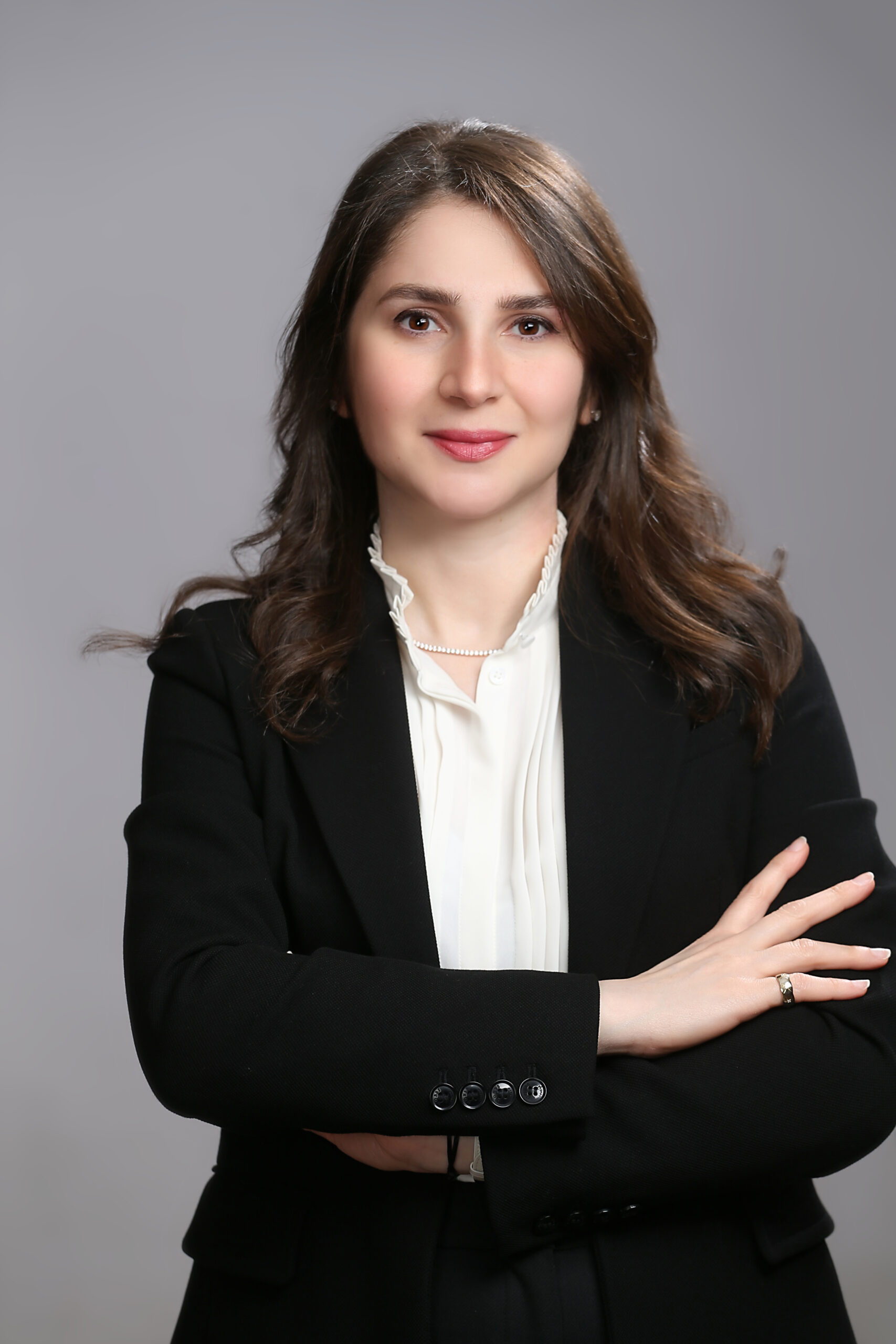
Nariman Al-Aloosi
Nariman is an NCPS-accredited psychotherapist based in Kings Hill, West Malling, Kent, with over 12 years of experience supporting clients through Multicultural therapy and a wide range of other difficulties. Her approach is integrative, Person-Centred, CBT, Psychodynamic, and Attachment-based adapted to what actually helps, not a fixed programme. Nariman also brings direct clinical experience from an NHS sexual health clinic and hold a Postgraduate Diploma in Psychosexual and Relationship Therapy, accredited by Middlesex University.
Nariman works with clients of all backgrounds. Everything discussed in session is entirely confidential.
WHO THIS IS FOR
Is Multicultural Therapy Right for You?
- You're in a cross-cultural or interfaith relationship navigating real differences in expectations or values
- Extended family involvement is a source of tension between you and a partner
- You're processing what it means to build a life across two (or more) cultural worlds
- You're navigating identity, belonging, or cultural displacement individually
- You'd prefer to have these conversations in Arabic
- You want a therapist who won't assume a single cultural framework is the default
WHERE I PRACTISE IN KENT
In-Person in Kings Hill, or Online Across Kent
Multicultural therapy is delivered within Individual Therapy sessions. In-person sessions are available at the Kings Hill, West Malling practice, with online sessions available across Kent.
MORE SUPPORT
Multicultural Therapy Often Connects To
FREQUENTLY ASKED QUESTIONS
Common Questions About Multicultural Therapy
The terms are closely related and often used interchangeably. “Multicultural” tends to describe a broadly culturally-sensitive approach, while “cross-cultural” more specifically describes work with relationships between people from different cultural backgrounds. Here, both are covered under the same integrative, culturally-attuned approach.
Yes — sessions are available directly in Arabic for clients who find that more comfortable.
Both. Couples navigating cross-cultural or interfaith differences, and individuals working through their own cultural identity or belonging, are equally welcome.
Common areas include family involvement, religious practice, communication style, and expectations around roles within the relationship — often differences neither partner realised were cultural until they became a point of conflict.
No. A culturally sensitive approach means genuinely understanding and respecting your specific background, not sharing it personally.
Yes — online sessions are available for clients anywhere, alongside in-person sessions in Kings Hill, Kent.
Yes, entirely. Nothing discussed in session is shared with anyone else, including your GP.
Start Multicultural Therapy Today
Book a confidential 10-minute intro call — no pressure, just a chance to talk through what’s going on and see if it’s the right fit.